 Preservation
 Food Preservation
While it might seem tempting to focus on a one size fits all solution to food preservation, the different methods all have their applications.
For example: Water Glassing eggs allows you to keep raw eggs all winter, while pickled eggs are only appropriate for cooked eggs (try baking a cake with cooked pickled eggs)
Fermenting foods doesn't last as long as canning, but it makes them easier to digest and more nutritious.
Freeze drying is much more expensive and time consuming, but the end product is much lighter and portable, while lasting the longest.
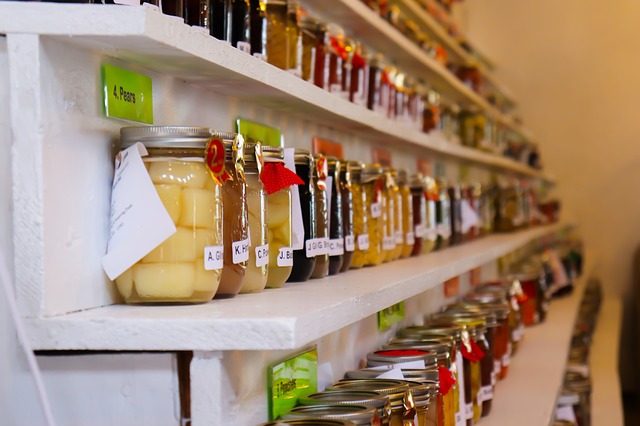
Layering your food preservations will help you survive.... Eating fresh fruit and vegies as they are in season, fermenting and pickling for short term, and canning and drying for longer term in the dead of winter.
The physical part of food preservation is easy. The hard part is knowing how much of each type of preserving is enough. It's not really feasible to dry and can everything, nor would you want to
Before fall harvest season hits, its prudent to plan out how you are going to handle the excess of fruit and vegetables. Even though dehydrating foods enables them to be stored the longest, it is also one of the slowest, and not really practical to use on everything.
Take an inventory of wht exactly you are growing, and how soon each item needs to be picked and preserved.
Stay on top of leafy greens. They can be harvested most of the summer. Leave Kale and other cold weather crops in the garden as long as you can, along with many root vegetables.
This will give you some space to process other foods.
Think of how much you will need
Rice and beans is not enough. If you start eating lots of beans to get your required protein intake, it will cause you sever intestinal distress.
some kind of bloating/farting skit? Does it cause dirahea, or backup?