 Farm&Garden > SoilAmendment > Vermaculture > RedWigglers
Red Wigglers
Just a heads up, I started with red wigglers, but have decided to move on to nightcrawlers. Scroll to the bottom for the reason why.
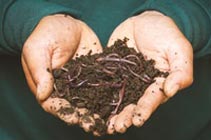
Red wigglers are one of the best worms to use if you want to convert scrap food to a valuable soil amendment. Their gut contains lots of beneficial bacteria that is good for soil. They have a nice slight earthy smell unless there is a problem with the bin. They are very easy to take care of and will usually be content and stay put. (again, unless there is a problem).
In the SHTF context they can convert all excess foods and even human and animal waste into a valuable gardening amendment. (with some help.)
They are widely available, either ordering them online, or (as I did) just check out a site like Kijijj to grab them from someone locally.
If you are going to start keeping worms, you are going to want to build and furnish a worm bin ahead of time.
Red Wigglers don't have a lot of wants of needs, but there are a few things you will need.
Bedding: I used a mixture of shredded paper, pieces of cardboard and egg cartons as bedding. No shiny paper, or too much color printing.
Cut the paper as small as you can. The carboard can be a variety of sizes (they love crawling in the little folds... let them go wild). Wet it all down until you can squeeze a drop of water from it but it shouldn't be dripping. Water can cause lots of problems, so be careful until you find the right balance.
Grit: Worms don't have teeth. Like chickens they need grit to grind up their food. Wash some egg shells and grind them down very finely. Sprinkle a bit on the bedding every time you add more food. (don't breathe the eggshell dust. It's pretty horrific).
Food: Start by freezing some food scraps. This breaks the cell walls and makes it easier for worms to eat. Thaw some out again and and place it in the bedding. Cover it up to keep fruit flies to a minimum. Just add to the bag as you get new food scraps, so you have food at the ready.
Red wigglers seem to prefer green leafy things, but can tolerate a wide range of foods. Pretty much any fruits and vegetables from your garden is fine except for citrus. Banana peels, coffee grounds all good. Limit too much starchy stuff like bread and rice as it can cause mold.
While worms in the wild will eat pretty much anything, avoid meat, bones eggs or dairy. It will cause the bin to go slinky and attract pests. Fresh citrus is the only food they don't really like directly. You can compost it first though, then feed it to them. Very spicy, salty greasy or fatty foods might don't really work as well in the bin. One option for all these foods is to run them through a bokashi bucket first. This pickles the offending foods and makes them safe for your bin.
If the food is large chunks (a melon), you can cut them down but don't purée them. You may think (as I did) smaller is better but it quickly goes putrid or starts to ferment (drunk worms are a nightmare). This is one of the causes of a stinkey bin.
While worms eat scrap foods, they are actually digesting the bacteria and fungus on the scraps. At the same time they are putting lot's of good bacteria back into the castings. Let the food sit in the bedding for a couple of days before getting your worms.
When you are all prepared you can finally get some worms. The person you pick them up from will need a couple of hours to sort them from their castings, so call ahead and arrange a pick up time.
Problems:
Red Wigglers are super easy to take care of, but you will run across some problems. Most are easy to fix, if you pay attention to what the bin is telling you.
Stinkey bin:
You bin should never stink. It should smell like a forest floor. A stinky bin usually happens for one of two reason:
1) If your bin gets too wet it can become anaerobic (not enough air). Check out the casting and if they look wet and slimy it is probably too wet. The bin is starting to produce bad bacteria which will smell. This is bad for the end casting product, so stay on top of this one. Remove the lid and turn some cardboard and shredded paper under the castings to absorb some moisture. Drain the second bin.
2) If the castings don't seem too wet you might be over feeding them. The food can rot if the worms can't process it in time. Stop feeding them for a while, and let them catch up. While they can eat up to their weight in food per day don't feed them a months worth of food at a time. I feed my guys on the weekends, but it's generally suggested once very 2-3 days. If you need more processing power just start another bin, and divide your worms. They will breed to fill the space you give them.
Fruit Flies: Fruit flies will hitch a ride on fresh fruit. Freezing will kill any eggs but you still might notice some buzzing around the bins. Try to bury your fruit in a layer of leaves, shredded paper or cardboard. If it gets really bad, you can cover the bedding with a layer of solid paper. Remember to remove it after a couple of days though... your worms need to breath too.
White bugs. These are common white springtails. Often you will miss them in the bin but notice them when you drain the second bin. I got mine by testing outside leaves as a primary bedding. They are harmless, and actually help break down the food, but annoying. Again try a sheet of paper over bedding surface.
Separating your worms from castings.
Well before spring starts approaching you are going to want to think about separating out the worms from their castings. While you can go through and just pull out all the worms by hand one at a time, this gets very tedious.
What I do is section off a small portion of the bin and only feed and provide bedding in this area. The worms will migrate to this area and every few weeks I scoop them all up with the food and place them in a new bin. I keep repeating it until most of the worms are gone. If you wait long enough you will probably catch a second round of baby worms hatching out of all the cocoons.
SHTF concerns:
My worms seem happy with my recycled cardboard and paper as bedding. People swear by coconut coir but as per my SHTF rules, I can't use it because it's never available here. Once the S actually hits the F both will be overly available (probably as trash everywhere) for a while and then non existent.
My plan is to switch to leaves. You can either collect them from a local forest, or if you are like me you have bags full put aside for composting. Shredded, they seem to enjoy them just as much.
Wrapping up the experiment.
Red Wigglers are amazing at turning food waste into a great soil additive, but they are not natural to the Canadian environment. I spend a lot of time making their casting, then trying to separate them from their castings, trying to ensure all cocoons hatch, and leave the castings before I use it in gardening.
While worm castings are an amazing resource, the more I learn about gardening, the less it seems worth investing all this time into the final product. It IS nice to be able to get rid of a small amount of food every couple of days but there are (in my mind) better alternatives.
Bokashi everything. Fast compost it and dump it on your garden. At the same time add a bunch of native night crawlers to the garden to eat the compost and till the garden for you.
That being said I find them attractive for a larger scale application: Either a bug out location, orchard or food forest. Build a few large compost piles. Wait for it to cool down after the initial explosion of life. Then toss in a bunch of worms and leave it be fore a few months. When you come back it will be full of fertility. No turning needed.
Edible Acres has an amazing chicken system that works well with red wigglers. Huge piles of leaves and food scraps slowly decompose and breed tons of worms. It is deep enough that they are able to survive the winters. Chickens kick apart these piles and eat some of the worms and scraps. The worms and chickens add fertility to the farm and speed the decomposition.
I am going to keep a small bin of these guys around for my Bokashi Waste experiment. Geoff Lawton at Zaytuna farms uses them as part of his compost toilet. I can see this being useful for an off grid toilet.